Choose Smarter, Spend Calmer

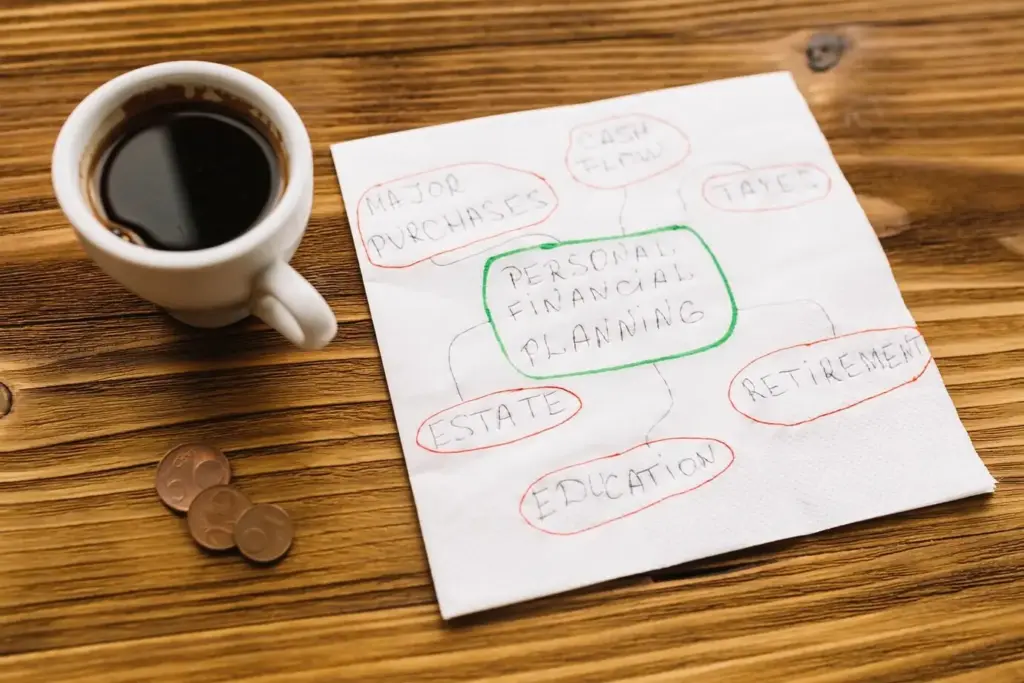
Today we explore decision trees for everyday purchases and trade-offs, showing how simple branching questions can reduce stress, reveal hidden costs, and guide faster, kinder decisions. Expect practical prompts, relatable stories, and tools you can reuse for groceries, gadgets, subscriptions, and shared family choices. We will turn uncertainty into visible options, so your money aligns with values and time constraints without endless browsing, second-guessing, or buyer’s remorse. Bring your next checkout moment, and let’s shape it with clarity.

Map Choices Before You Spend

{{SECTION_SUBTITLE}}

Start With the Outcome You Value Most

Ask one bold question first: what result will make future-you thankful? Lower monthly costs, faster setup, longer durability, or reduced clutter may point to entirely different paths. Naming the winning outcome early organizes every branch, calms impulses, and prevents painful, reactive comparison spirals.

Turn Uncertainties Into Branches You Can See

When delivery dates, return policies, or hidden fees feel murky, draw a branch for each plausible scenario. Visualizing best, typical, and worst cases turns fog into manageable options. If a branch still looks risky after transparency, you’ve found a graceful reason to walk away.

Quantifying Trade-offs Without Regret

You can’t maximize every dimension. Quantifying gives structure to intuition without turning life into spreadsheets. Simple weights, thresholds, and sensitivity checks reveal when a slightly higher price saves hours or when a bargain quietly drains energy. You’ll replace hunches with confident, explainable reasoning you trust.

Grocery Decisions: Price, Nutrition, and Time

Food shopping is a weekly laboratory for practical decision trees. Balancing nutrition, price, waste risk, and family preferences becomes far easier when branching questions narrow options quickly. You’ll reduce last-minute takeout, save on impulse buys, and build routines that support health without becoming rigid.

Gadgets and Upgrades: When to Buy, When to Wait

{{SECTION_SUBTITLE}}

Depreciation and Feature Gaps on a Branch

Ask what your current device fails to do that truly matters. If the missing feature saves meaningful time or supports safety, that branch carries weight. Combine with depreciation slope: buying just after a new release often yields excellent price-to-capability ratios without financing tomorrow’s quickly outdated bragging rights.

Repair, Replace, or Rent

Compare repair cost and expected remaining life to replacement price and durability. Add a rental branch for infrequent needs like specialty lenses or power tools. This triage limits clutter, preserves cash, and ensures you pay for outcomes, not ownership pride that rarely translates into everyday value.

Subscriptions and Trials: Exit-Friendly Choices

Recurring charges hide in the background until they overgrow the budget. A decision tree focused on exit friction, genuine usage, and renewal timing foregrounds control. You’ll try confidently, cancel cleanly, and keep only services that earn their place through clear benefits and predictable, affordable value.

Free Trials Without Future Traps

Before starting, branch on cancellation steps, reminders, and data portability. Schedule a calendar nudge mid-trial, log your actual usage, and capture the cancel link. If leaving looks painful, reconsider starting. Freedom to exit sustains curiosity without accidentally converting convenience into a quiet, long-term leak.


Usage-Based Branching to Cut Waste

Define a minimum monthly benefit—hours watched, workouts completed, files backed up. If you miss two cycles, auto-pause. If value rebounds, reinstate intentionally. This turns nebulous loyalty into evidence-based renewal, rewarding services that truly serve you and retiring those that rely on forgetting and inertia.

Sustainable Spending: Planet, Pocket, and Convenience

Responsible choices work best when they also fit real life. A decision tree blending lifetime cost, environmental footprint, and ease helps you avoid performative purchases and focus on durable wins. You’ll discover upgrades that pay back, reduce waste, and feel satisfying rather than burdensome or preachy.

Lifetime Cost Versus Footprint

Compare durable goods with higher up-front prices against disposable alternatives. Spread cost across expected years, repairs, and resale value, then consider energy use and materials. When durability and reduced footprint align, the decision becomes delightfully simple, letting you spend once and proudly maintain rather than frequently replace.

Local, Delivery, or DIY

Calculate travel emissions, delivery packaging, and the real opportunity cost of crafting or fixing it yourself. If DIY teaches a reusable skill and saves future purchases, that branch may win. When convenience preserves health or family time, honor that too. Balanced accounting beats guilt-driven guesswork, every time.

Reuse, Refill, and Repair Ecosystems

Choose products supported by local repair shops, refill stations, or community swap groups. Availability of parts and peer expertise shortens downtime and slashes waste. Mapping these ecosystem branches helps you favor brands and formats that keep goods circulating longer, turning sustainability into a practical, social routine.
Taxoverihaketeteto
Privacy Overview

This website uses cookies so that we can provide you with the best user experience possible. Cookie information is stored in your browser and performs functions such as recognising you when you return to our website and helping our team to understand which sections of the website you find most interesting and useful.